

Gender
Do I have gender dysphoria?
According to the Diagnostic and Statistical Manual of Mental Disorder (DSM-5). Signs of gender dysphoria typically include at least two of the following:
A marked incongruence between one’s experienced/expressed gender and primary and/or secondary sex characteristics (or in young adolescents, the anticipated secondary sex characteristics)
A strong desire to be rid of one’s primary and/or secondary sex characteristics because of a marked incongruence with one’s experienced/expressed gender (or in young adolescents, a desire to prevent the development of the anticipated secondary sex characteristics)
A strong desire for the primary and/or secondary sex characteristics of the other gender
A strong desire to be of the other gender (or some alternative gender different from one’s assigned gender)
A strong desire to be treated as the other gender (or some alternative gender different from one’s assigned gender)
A strong conviction that one has the typical feelings and reactions of the other gender (or some alternative gender different from one’s assigned gender)
If you think you may have gender dysphoria it is recommended to seek professional support.
Watch our related video here.
Share the knowledge!
More Gender Q&A
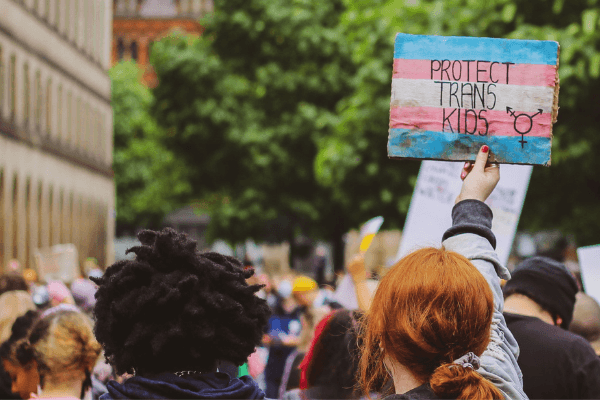
How can I be supportive of transgender family members, friends, or significant others?

I'm worried about the discrimination my child may face if they change their gender, what can I do?

Is my child experiencing gender dysphoria?
My friend is transgender, does that mean they're non-binary?
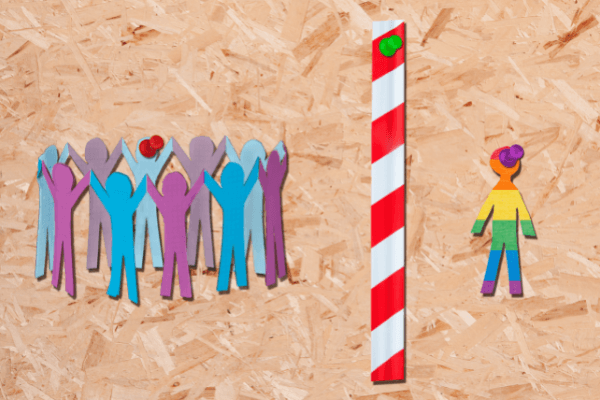
What are homophobia and transphobia?

What are some medical treatments that can be used for someone seeking to transition?
This is a website that WE are building together. If you have a question there is no answer to on this site, send it here!